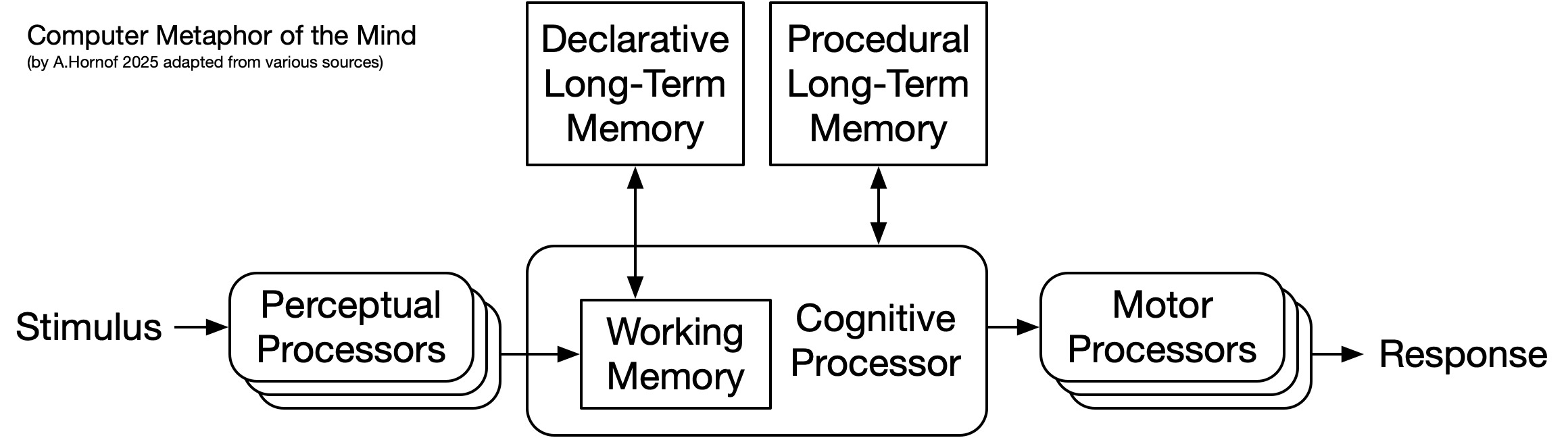
Figure 1. The computer metaphor of the mind.
Anthony Hornof - 3/31/26
My goals in teaching include, but are not limited to, the activities discussed on this web page. This information is here entirely for your benefit. You do not need to know it. You will not be quizzed or tested on any of this content. But it perhaps helps to explain some of the things I do in the classroom that might be a little different than your other classes at UO. These are just some of my goals in teaching.
My goal is to help you acquire skill and knowledge. This is perhaps best understood in the context of the computer metaphor of the mind, which is shown in Figure 1, and which is largely accepted by the fields of experimental and cognitive psychology. In this metaphor, the brain is perhaps best understood as an information processor, much like a computer. In this processor, light and sound enter as stimuli, get processed by various perceptual modules (such as seeing and hearing), and deposited into short-term working memory. The cognitive or decision processor uses strategies from long-term procedural memory, and facts from long-term declarative memory, to send commands to motor processors that act upon the world, generating responses.
In order for this processor to be most effective in the world, it needs a lot of information in its two long term memories. The point of education in general, and my main goal in this class, is to help you to get useful and correct information stored into your long-term memories. It takes a lot of rehearsal in your phonological loop to get information stored in your long term memories. The phonological loop is activated when you say things that you need to learn, and hear yourself saying those things, either aloud or silently "in your head".
The skills that I want you to learn include the course content, but also many other things such as how to be a better reader, writer, scholar, and contributor to a positive learning environment. Please understand that I continually strive to improve my own performance in all of these things, and more.
My teaching supports UO’s mission to help students to act creatively. My teaching emphasizes interactive, group-based design exercises in which students propose, consider, and evaluate alternative solutions to a problem, and then select one to implement. For example, I use in-class exercises to motivate students to creatively engage in designing a software program using the Unified Modeling Language, or a paper prototype of a user interface.
I have developed and refined techniques to ensure that every student can fully participate, and that every student’s presence and participation is valued.
Examples include:
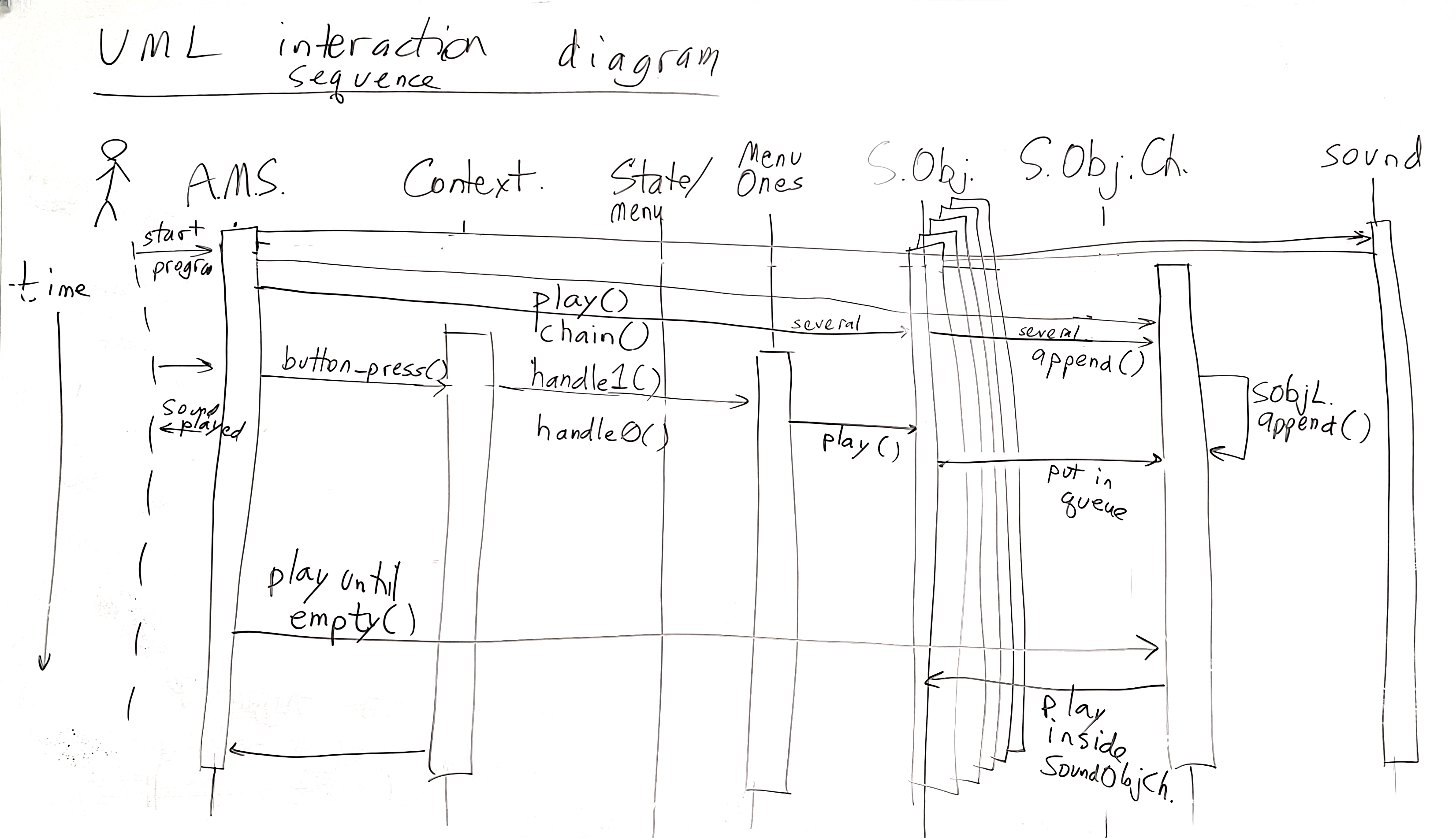
I revise my content and pedagogy in real time. In F21 CS 443/543 User Interfaces, for example, it became evident that students did not understand a programming assignment, and so I walked them through the code that I provided, drawing and explaining a Unified Modeling Language sequence diagram on the whiteboard. Figure 2 shows the diagram that I drew. The spontaneous mini-lecture both answered their questions, and also modeled how to explain yourself in real time using established computer science abstractions. I made sure every student understood what I had drawn. I took a picture and used it in subsequent assignments.
I regularly revise course content, always to address student learning. During the review period, I added instruction and materials on the following topics to CS 422/522 Software Methodologies:
Each revision carried forward to subsequent offerings of the course.
I monitor students impressions of my teaching. I developed a survey instrument derived from Boice (1992), with three open-ended questions along the lines of “What is going well?”, “What can be improved?”, and “Any other comments?” The survey is administered in every class, anonymously. Written comments are analyzed using thematic analysis (Braun & Clarke, 2006). I show the analysis to the students and discuss modifications that might be made, and the rational for things that cannot be changed.
My survey has high response rates, and is designed to capture open-ended impressions outside of the rigid framework imposed by UO’s Student Experience Survey. My survey captures a broad range and majority of student impressions.
I have made many modifications to my class based on my in-class survey. These include:
These are just some of the many, many things that I do to provide professional, inclusive, engaged, and research-informed teaching.