Restoration and Modernization of the Klamath Hall Periodic Table Display
An interactive, high-fidelity proof-of-concept simulation of the proposed addressable LED control console and WS2812B nanosecond protocol timing has been developed to accompany this proposal.
Launch Live Interactive SimulatorA tentative itemized quote has been prepared at the OFAD Internal Project Rate, covering labor by stage, materials, and a separately-quoted option for restoration of the noble gas discharge tubes. It is contingent on internal access to the cabinet to confirm several assumptions about its construction.
View Tentative Project Quote1. Introduction & Historical Context
The periodic table display outside the Chemistry Office on the ground floor of Klamath Hall has served as a central educational landmark for decades. Regrettably, the cabinet has fallen into disrepair. The noble gas glow tubes are dark, the general back-lighting is severely faded, and the unit lacks the interactive features expected of a modern scientific display.
Efforts to modernize the cabinet have been ongoing, with discussions dating back to 2009 involving emeritus instructor Randy Sullivan, Mary Dricken, various chemistry students, and departmental office workers. Rather than a simple, short-term fix, we propose a complete modernization. Given the physical scale and electrical work involved, this restoration represents a perfect summer project—a high-quality, hands-on opportunity to revitalize a landmark display.
[2009] Early LED Inquiries
"Aaron, you best get ahold of Randy Sullivan... he is going to make a proposal soon to have the periodic table display updated. Do you have a brochure of sorts for the LED DDF pixels?"
[2019] Repair Assessment & Gold Box Discussions
"Hi Jeffrey, I need you to fix the big periodic table outside the chem office. The emission tubes are broken and we need to put the nugget that Kathy has in the Au-gold box while you have it open... the cover of the periodic table is heavy so it takes at least two people to get it installed and uninstalled."
[2024] Comprehensive Restoration Proposal
"As I walk past the giant periodic table... I can't help but notice how worn out it looks. One exciting upgrade we considered was replacing the old fluorescent back-lighting with addressable RGB LEDs in each element box... on top of that, I've been learning the art of neon glasswork, so I could easily repair the noble gas glow tubes myself."
2. Current Physical State & Analysis
An audit of the current physical table was conducted to evaluate the structural integrity and electrical decay. While the main wooden structure remains sound, the internal electrical ballasts are completely dead, resulting in dark segments and zero noble gas discharge.
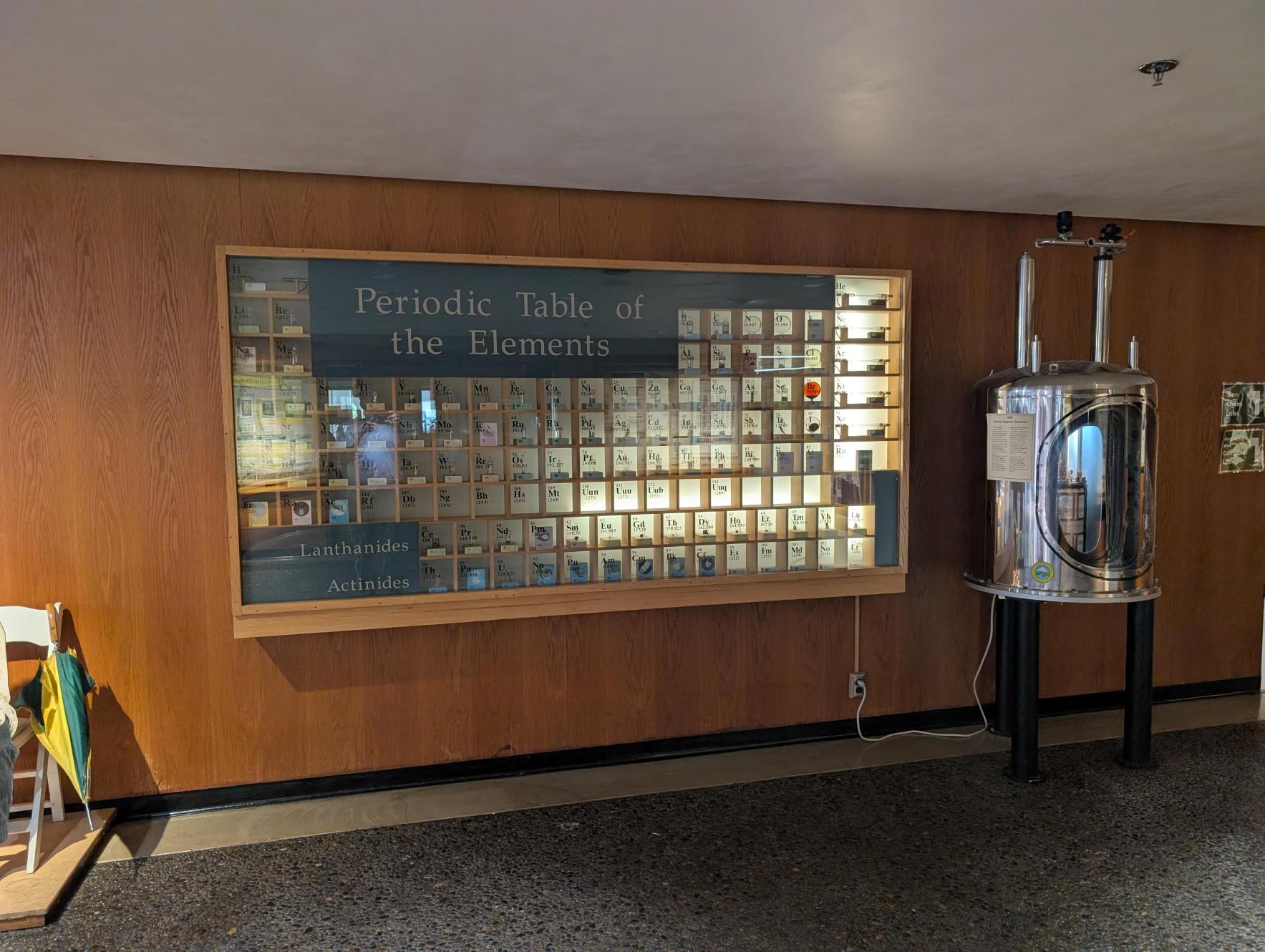 Figure 1: Full wooden display cabinet with NMR spectrometer in Klamath Hall.
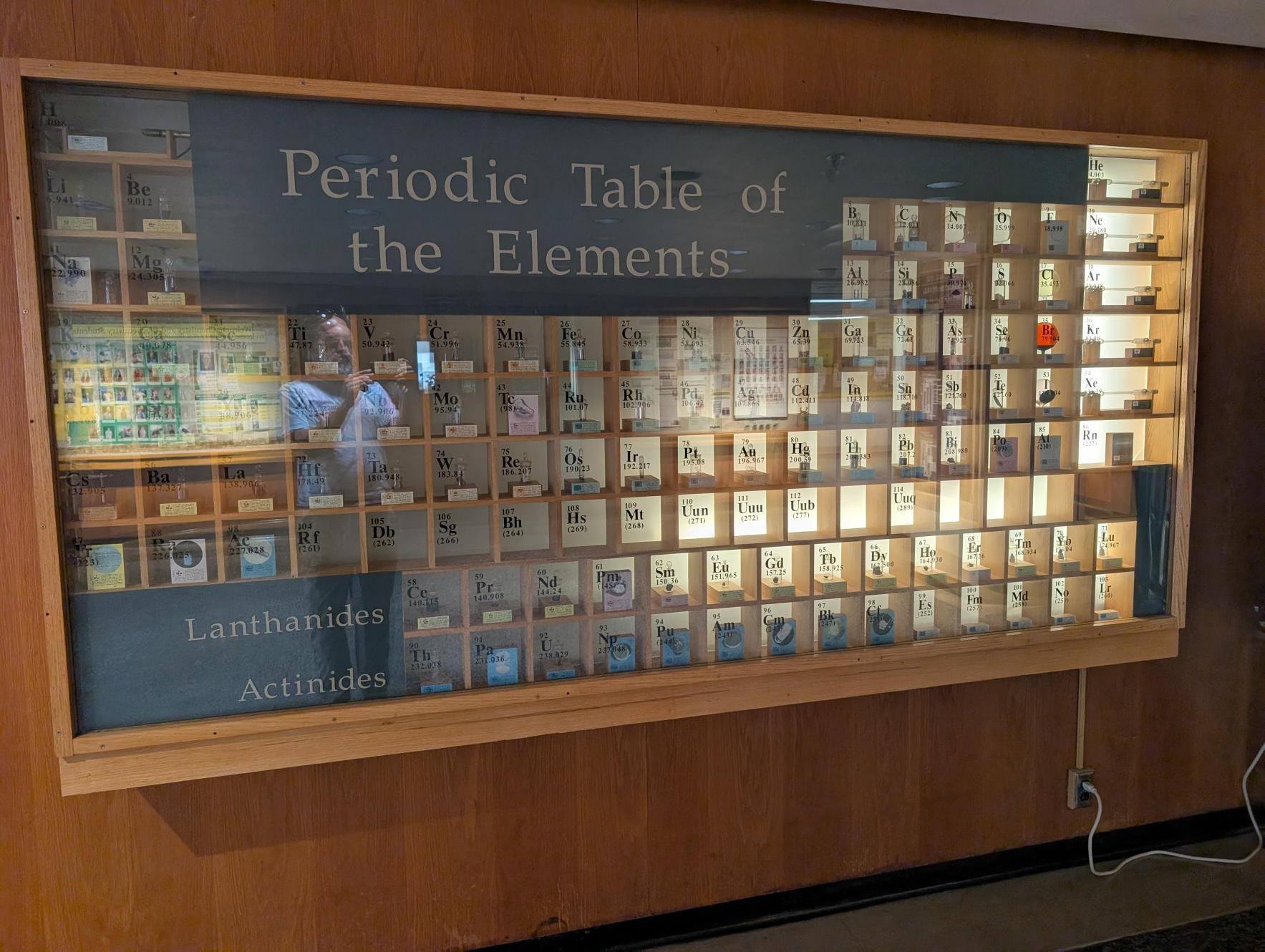 Figure 2: Table front face. Reflective glare hides elements, illustrating decline.
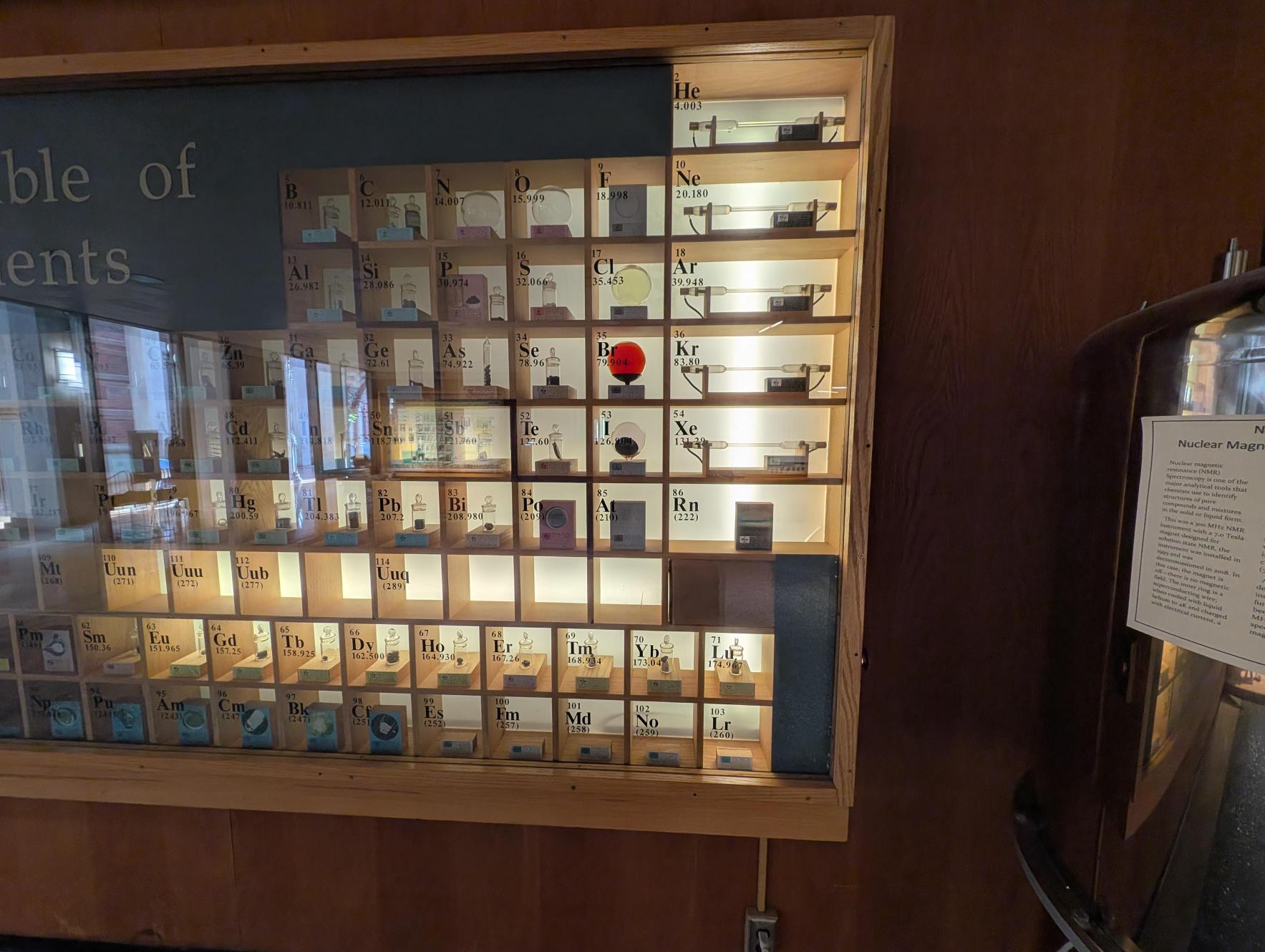 Figure 3: Detailed view of the right-hand elements (halogens and noble gases).
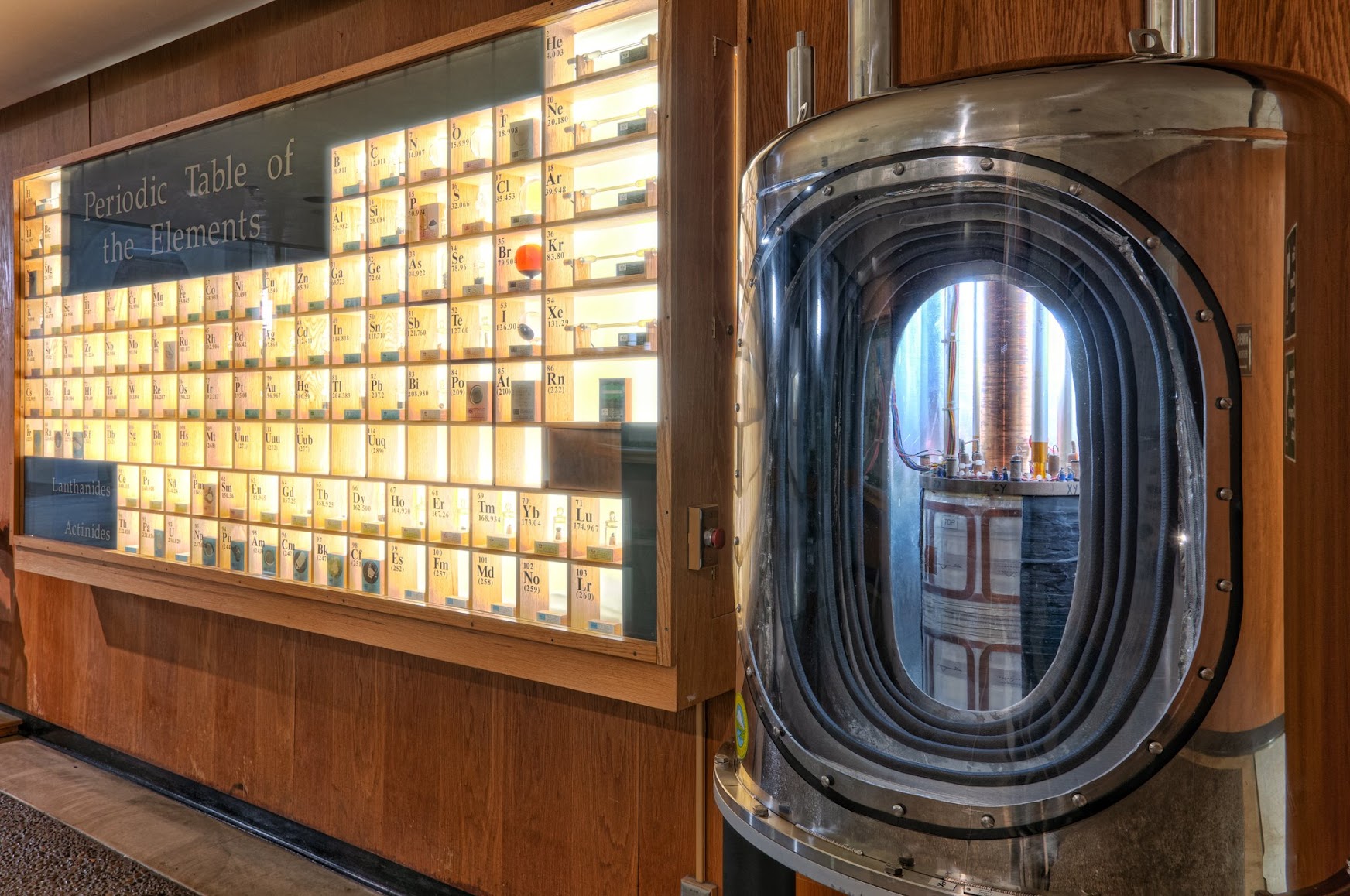 Figure 4: Last time the fluorescent tubes were replaced (~2017). They fade fairly quickly, possibly due to their enclosed state.
3. Proposed Modernization Scheme
Our proposal introduces an individually addressable WS2812B RGB LED strip routed behind each of the 118 element compartments. By driving these LEDs from an embedded controller (Raspberry Pi), we can dynamically color-code elements by chemical group, illustrate periodic trends, and play dormant "wave" animations to draw the attention of passing students.
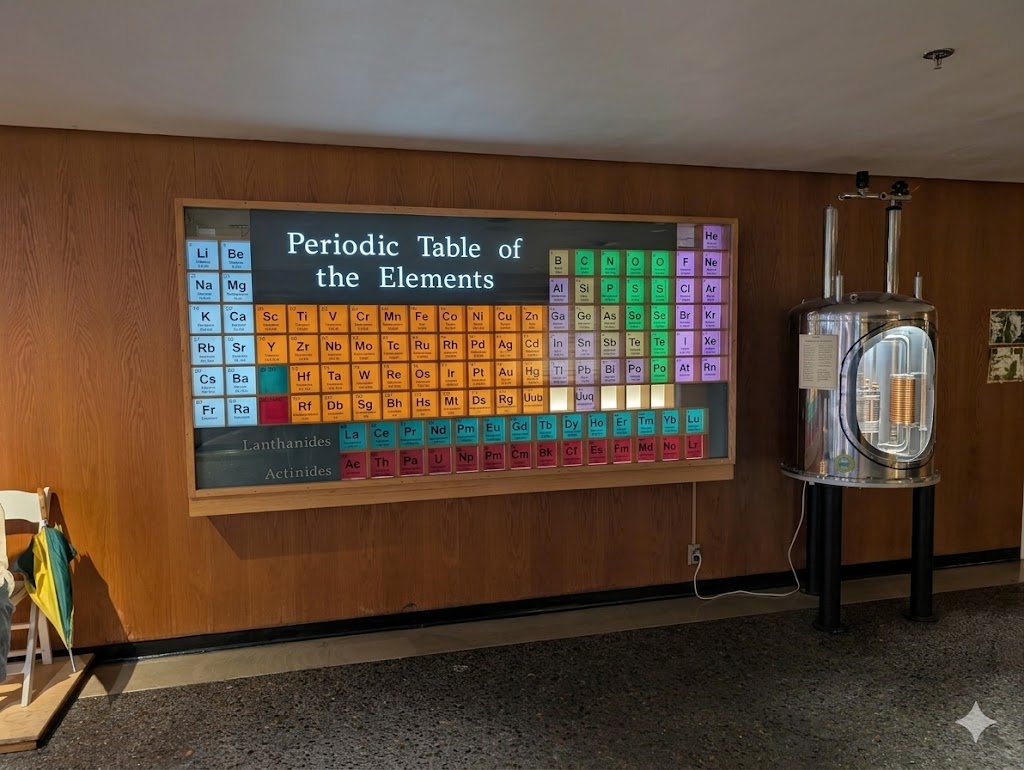 Figure 5: Render of proposed dynamic backlighting, illuminating active chemical groups.
4. Element Card Description Modernization
As the usefulness of chemical elements shifts with scientific progress, nearly all element cards inside the display case require modernized descriptions. Gold (Au) serves as a prime example of this shifting utility, moving from historically philosophical definitions to practical modern applications. These cards must remain terse to fit within the physical 3"x2" cabinet dividers.
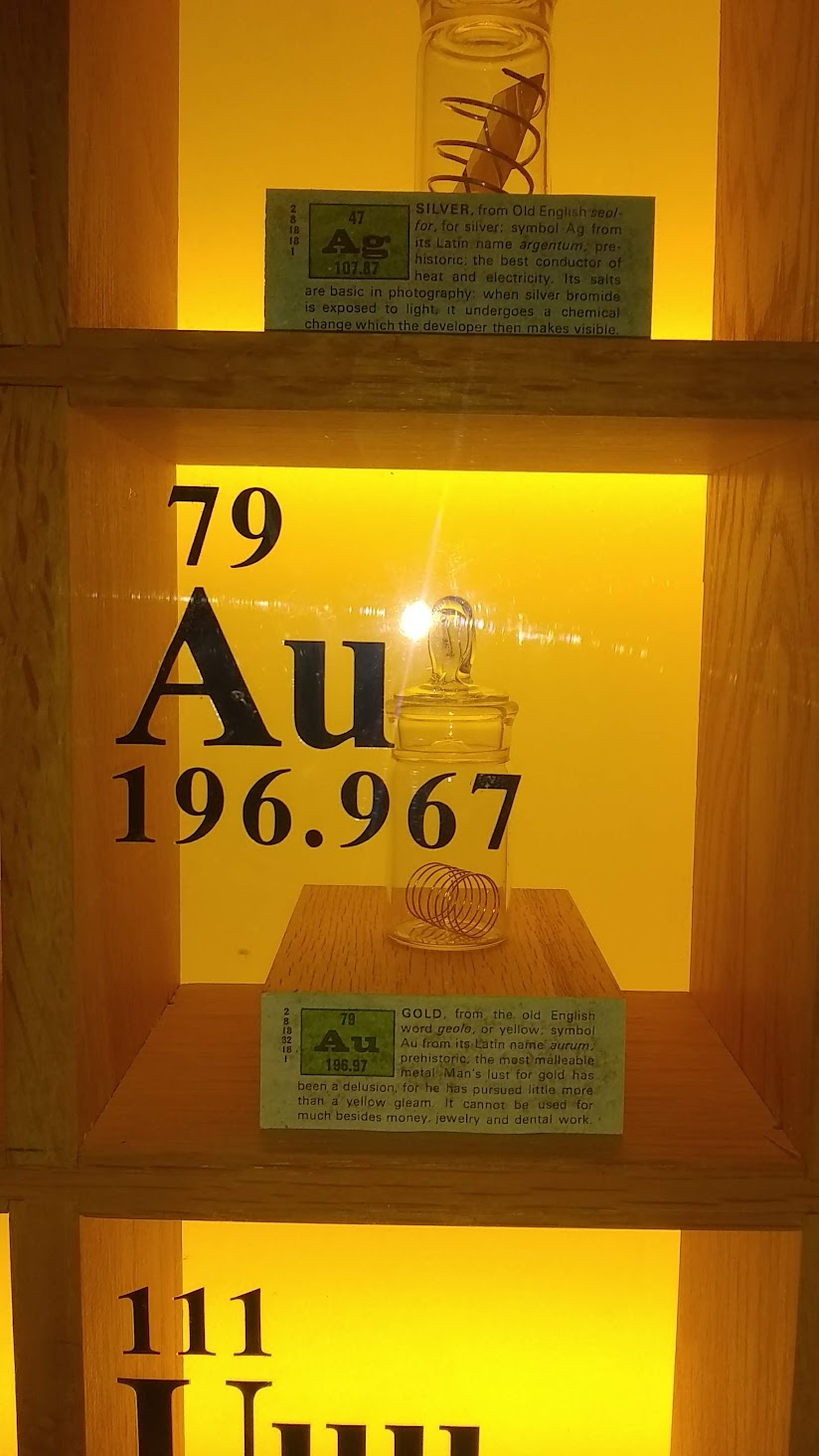 Figure 7: Current close-up of Element 79 (Au) in the physical cabinet.
Proposed Updated Description Card:
"Most malleable metal... reflects man's lust for gold throughout historical civilization."
Gold (Au) - Atomic Number 79
Highly conductive, corrosion-resistant metal essential for microelectronic bonds, electrical contacts, and biomedical nanotechnology. Highly reflective in the infrared spectrum; utilized in astronaut helmet radiation visors and primary telescope mirrors (e.g., JWST).
Note: The physical gold nugget (formerly in Kathy's care, discussed in 2019) has likely already been successfully placed in this box. We will verify its physical security and arrangement as part of our visual audit during cabinet installation.
5. Technical System Architecture
The entire interactive table will be controlled by an embedded **Raspberry Pi 4 (or Zero 2 W)** executing a lightweight Linux OS (OS Lite). The system architecture is divided into three key layers:
- Hardware Timing Layer: Because WS2812B LEDs use a strict, timing-sensitive protocol running at 800 kbps, standard CPU-driven GPIO pins cannot be used under Linux due to task interruptions. The Pi's hardware **PWM0 peripheral on GPIO 18** will be utilized. It bypasses the kernel via DMA (Direct Memory Access) to push precise nanosecond-level waveforms directly to the LED strip.
-
Captive Portal Web Server: The Pi will run
hostapdanddnsmasqto project a local Wi-Fi hotspot. When students connect, their devices will automatically be redirected (captive portal) to this exact interactive proposal page, allowing them to control the physical table lights directly from their phones.