Death and Memory in America
Matthew Dennis
CRN 32223
Tuesday, 15:00-15:50, 471 McKenzie Hall
Office: 357 McKenzie Hall; mjdennis@darkwing.uoregon.edu
Office Hours: Tuesday, 9-11
This research seminar will explore the cultural and political history of death and memorializing in America, from the colonial period to the present. How people understand death and accommodate it can tell us much about their lives and the historical worlds they lived in. Our attention will focus on cultural and religious ideas of death and dying, the rites of passage that mark the end of life, and the memorial practices that seek to remember or forget the dead--keeping them near or, alternately, seeking "closure" and distance.
Death is a historical phenomenon--although pervasive and unavoidable, it has not been understood or experienced in a uniform fashion over time. Death has visited some times and places more heavily than others; ideas about death, rites surrounding it, and the memorials and monuments commemmorating it have varied over time and place. Death and mortal remains are also political, as controversies and reflections about the meaning of departed heroes and martyrs, sacred historical sites (such as battlefields or national cemeteries), and holidays like Memorial Day suggest.
Common readings and weekly discussions will probe these themes, while individually students will define their own research projects, conduct research in primary sources, write original historical essays, participate in critique sessions, and revise and rewrite their work.
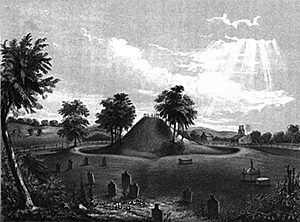
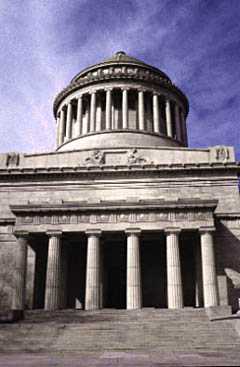
Students will have the freedom to examine a wide array of topics, which can center on any period or place in American history, as long as they relate to the seminar's themes. They might range from an examination of Indian burial mounds to a study of the recent controversy over "Kennewick Man," . . . to a historical essay on graveyards or a particular cemetery, . . . to a historical analysis of funeral orations, . . . to a historical inquiry into the changing meaning of memorial art or monuments, . . . to an answer to the old question, "Who's Buried in Grant's Tomb?" The possibilities are virtually boundless.
Assigned
Books: Grant's Tomb, New York City
Course Calendar
Week 1 (March 30): Introduction. Week 2 (April 6): Death and Memory in American History.
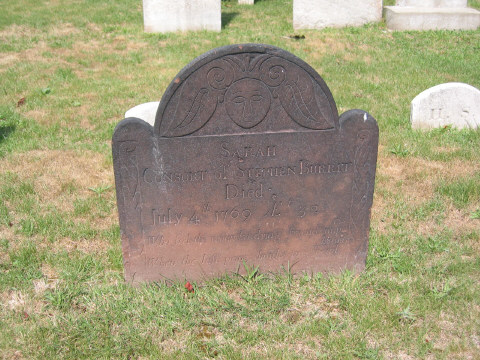
Grave marker, Grove Street Cemetery
|
 |
 |
Week 3 (April 13): Death and Mortal Remains in the Early American Republic.
Week 4 (April 20): Death and Memory in 19th-Century America.
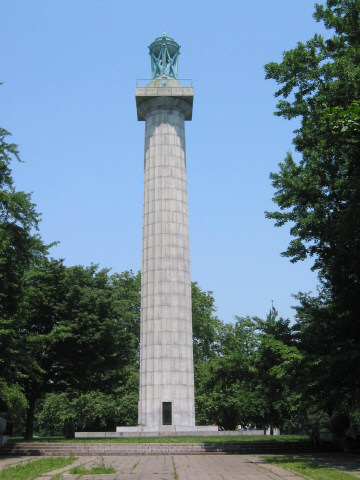
"Wallabout Martyrs'" monument,
|
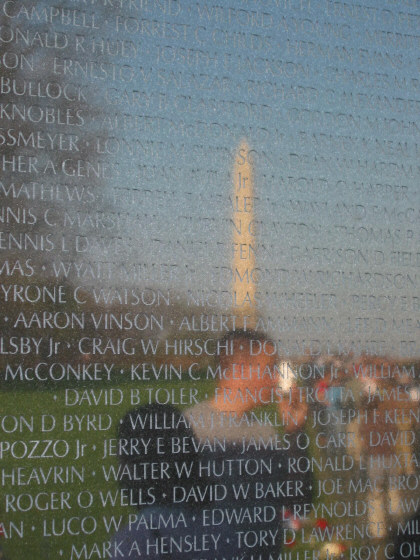
Week 5 (April 27): 20th-Century America. Week 6 (May 4): Mourning, Victimization, and the Politics of Mortal Remains. Week 7 (May 11): Writing History. Vietnam Veterans' Memorial |
|
Paper Drafts due Friday May 14 .
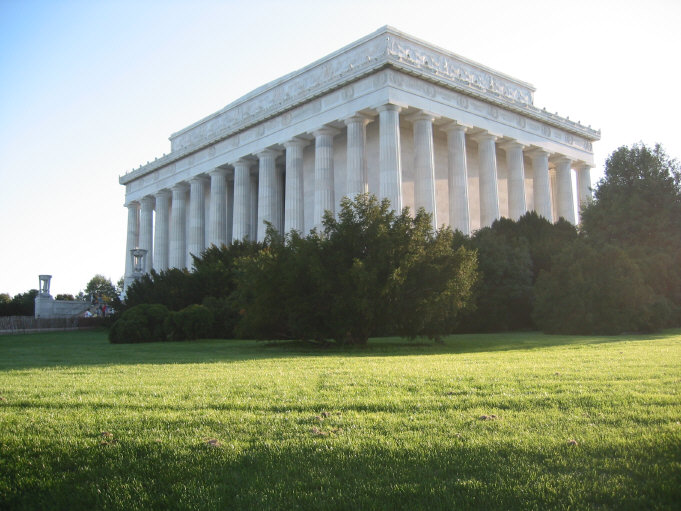 |
Week 8 (May 18): Discussion of Paper Drafts. Week 9 (May 25): Discussion of Paper Drafts, Continued. Week 10 (June 1): Concluding Discussion of Death and Memory in American History. Lincoln Memorial |
Final Papers due Friday June 4. Please Note: This Deadline is Firm.